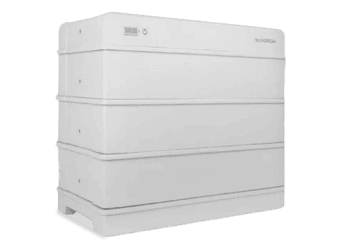
Unless you are only dealing with extra low voltage (50V AC RMS or 120V ripple free DC) you will need to have a valid electrical licence to install a solar battery.Installing a solar battery involves electrical work and requires knowledge of electrical systems standards, and safety protocols. Improper installation can lead to safety hazards and may void warranties.
The cost to install a solar battery varies depending on the size, type, and brand of the battery. On average, the total cost starts at around$5,000.
Solar batteries are typically installed indoors, in a location such as a garage, utility room, or basement.However, Solar batteries need to be installed according to relevant standards including AS 5139:2019 which set out specific safety requirements, e.g. solar batteries aren’tallowed to be installed in a habitable room, or blocking exits.Mostbatteries should also be placed in a dry, well-ventilated area away from direct sunlight and extreme temperatures to ensure optimal performance and longevity.
- Assessment and Planning: LuvSolar will assessyour energy needs and existing solar system (if installed) and recommend the appropriate battery size and configuration.
- Grid connection permit: Once you have placed an order, LuvSolar will obtain any necessary grid connection approvals from your network service provider.
- Installation: We will mount the battery and connect it to your solar system or distribution board.
- This includes wiring in the battery and installing a homeconsumption meter.
- Testing and Commissioning: We will test the system to ensure proper operation and safety. We will also provide instructions on system operation and maintenance, and aftermarket support.
Solar battery installation will be worth the investment depending on your energy usage, electricity rates, and solar generation.The economics of battery installation has also been shifted further in homeowners’favourby generous government rebates such as the NSW batteryrebate whichsubstantially reduce installation costs.Solar batteriescan provide full energy independence, can provide backup power during outages, or can be used to reduce or eliminate power usage during times of peak electricity rates.
Solar batteries typically last 10 years or more. However, the lifespan can vary based on usage patterns, maintenance, and the specific type and brand of battery. Most manufacturers offer warranties ranging from 5 to 10 years but have conditions on how you can use the battery for the warranty to remain intact.
The size of the solar battery you need depends on your energy consumption and the desired level of energy independence. A typical home might require a battery with a capacity of 10 to 20 kWh to provide a significant portion of daily energy needs. Talk to LuvSolar to determine the optimal size for your specific situation.
Yes, the NSW battery rebate is available for customers in NSW. Interest free loans for solar batteries are offered by the Victorian government for Victorian customers.
Yes, most modern solar battery systems come with monitoring capabilities. Home energy storage batteries will also be connected to a separate consumption meter so that you can see how much your house is using or exporting in real time. You can monitor the performance of your solar battery system through a smartphone app or web portal provided by the battery manufacturer. This allows you to track energy production, storage levels, and usage in real-time, and receive alerts for any issues.